.png)
%201%201.svg)




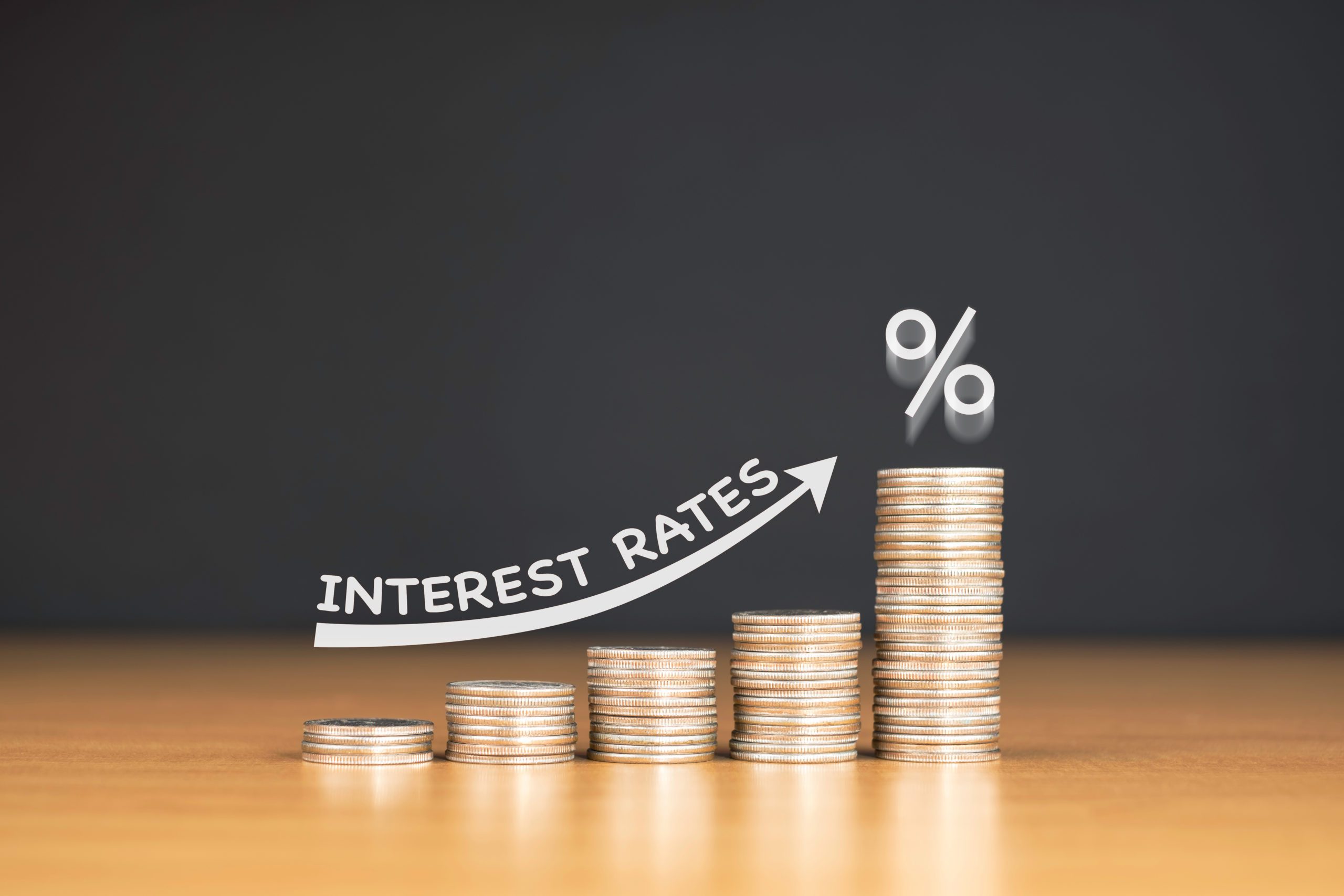
Gold’s surge above $5,000 per ounce has sparked endless commentary about inflation, tariffs, and global tension.
But seasoned investors know the real driver is simpler:
Real interest rates.
Real interest rates are calculated as:
Nominal interest rate – Inflation rate
If the Federal Funds rate is 5% and inflation is 4%, the real rate is 1%.
If inflation rises above nominal rates, real rates turn negative.
You can track current monetary policy decisions directly through the Federal Reserve here:
https://www.federalreserve.gov/monetarypolicy.htm
Inflation data, meanwhile, is published monthly through official government releases.
Gold does not pay interest. So when real yields are high and rising, investors can earn meaningful returns holding bonds instead of gold.
But when real yields compress—or turn negative—the opportunity cost of holding gold disappears.
The World Gold Council has extensively documented this inverse relationship between real yields and gold performance:
https://www.gold.org/goldhub/research/gold-and-interest-rates
Historically, sustained periods of falling real rates have coincided with strong gold bull markets.
In 2026, the Federal Reserve faces mounting pressure:
If rate cuts arrive while inflation remains elevated, real yields could fall sharply.
That environment has traditionally supported higher gold prices.
At the same time, central banks continue accumulating physical reserves at aggressive levels (World Gold Council data:
https://www.gold.org/goldhub/data/central-bank-gold-reserves).
When official sector demand rises while real yields decline, the impact on gold can be amplified.
If inflation cools rapidly while nominal rates remain elevated, real yields would increase.
That could temporarily pressure gold prices.
However, sustained high real rates are historically difficult to maintain in highly indebted economies, as debt servicing costs rise.
Gold’s 2026 strength is not random.
It is closely tied to the direction of real interest rates.
If real yields continue compressing, gold may have further room to run. If they rise materially, volatility could increase.
Either way, watching real rates—not just headlines—provides a clearer lens into where gold may head next.
Chief Market Strategist
National Gold Reserve

Get personalized guidance from a trusted advisor. Just submit the form to get started.


