.png)
%201%201.svg)




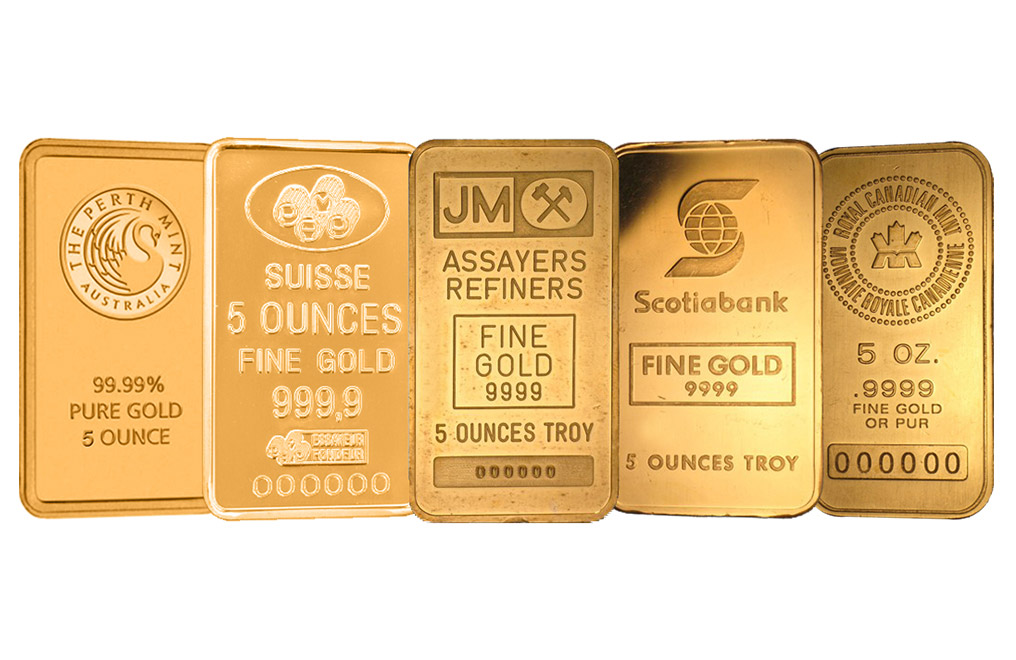
For years, financial advisors have suggested a modest 5% allocation to gold as a diversification tool.
In 2026, that recommendation is being reconsidered.
With gold near $5,300 per ounce and volatility affecting both stocks and bonds, investors are asking whether 5% is meaningful—or merely symbolic.
The 5% allocation traditionally aimed to:
Research published by the World Gold Council has shown that even small allocations can improve risk-adjusted returns over time:
https://www.gold.org/goldhub/research
But historical backtests were conducted in lower-debt, lower-inflation environments than we see today.
Today’s macro environment includes:
When systemic risk rises, a minimal allocation may not provide sufficient offset during severe drawdowns.
In a $1,000,000 portfolio:
If equities fall 30%, a small gold allocation may soften the blow—but it may not materially shift total portfolio performance.
Higher allocations, while still balanced, can provide more noticeable stabilization during crisis periods.
Gold’s performance is closely tied to real yields. As outlined in Federal Reserve policy discussions (https://www.federalreserve.gov/monetarypolicy.htm), if rate cuts occur while inflation remains elevated, real rates could compress further.
That environment has historically supported stronger gold pricing.
If that trend continues, a larger allocation may capture more upside.
Not necessarily.
Over-allocating can limit growth potential during strong equity markets.
The goal is balance—not speculation.
Many portfolio strategists now consider a 5–15% range, depending on:
In stable markets, 5% gold may be sufficient as insurance.
In 2026’s high-debt, high-volatility environment, some investors believe a slightly higher allocation better reflects today’s systemic risks.
The right percentage isn’t universal.
But the conversation around 5% is no longer automatic—it’s strategic.
Senior Market Analyst
National Gold Reserve

Get personalized guidance from a trusted advisor. Just submit the form to get started.


