.png)
%201%201.svg)




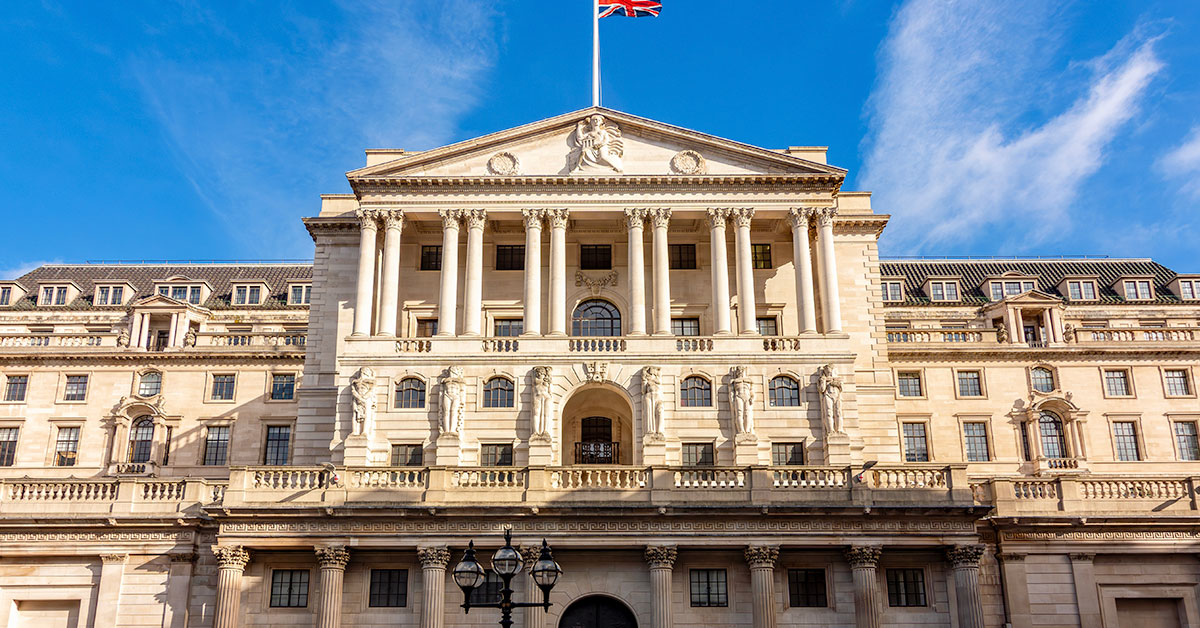
If you want to know where the "smart money" is moving in 2026, stop looking at Wall Street and start looking at the world’s central banks. A profound structural shift is occurring in the global financial system. According to the latest data from the World Gold Council, central banks purchased over 860 tonnes of gold in 2025, and the momentum has surged even higher in the first two months of 2026.
But why are the world’s most powerful financial institutions—the very ones that print currency—choosing to hold physical bars instead of their own paper?
For decades, U.S. Treasuries were considered the "risk-free" foundation of every central bank’s reserve. However, the weaponization of the dollar and the implementation of aggressive 15% trade tariffs in early 2026 have changed the calculus.
Nations like Poland, which recently signaled plans to increase its holdings to 700 tonnes, are no longer comfortable keeping all their eggs in the dollar basket. They are seeking "neutral" assets that don't carry the political risk of a specific country. Gold is the only asset that fits this bill—it has no "master" and no counterparty risk.
One of the most important takeaways for individual investors is that central bank buying is not speculative; it is strategic.
When a central bank buys gold, they aren't looking to "day trade" it for a 5% profit. They are locking it away for decades. This creates a massive, permanent demand that acts as a "floor" for gold prices. As institutional buyers continue to absorb supply at levels near $5,200, it becomes increasingly difficult for the price to experience the 30–40% "crashes" seen in other asset classes.
The shift in U.S. foreign policy—now commonly referred to as the "Donroe Doctrine"—has accelerated the push toward a multi-polar world. In this new landscape, gold is reclaiming its title as the ultimate "settlement asset."
As global trade infrastructure fragments, nations are returning to the one currency that everyone accepts without question. We are seeing emerging markets from Brazil to Kazakhstan diversify their reserves at a pace not seen since the 1970s.
You don't need to be a geopolitical expert to see the writing on the wall. If the institutions responsible for maintaining the global financial order are hedging against currency instability by buying gold, you should probably be doing the same.
A Gold IRA allows you to follow the lead of these central banks, moving a portion of your wealth out of the "paper system" and into a tangible asset that has outlived every paper currency in history.
Senior Market Analyst National Gold Reserve

Get personalized guidance from a trusted advisor. Just submit the form to get started.


