.png)
%201%201.svg)




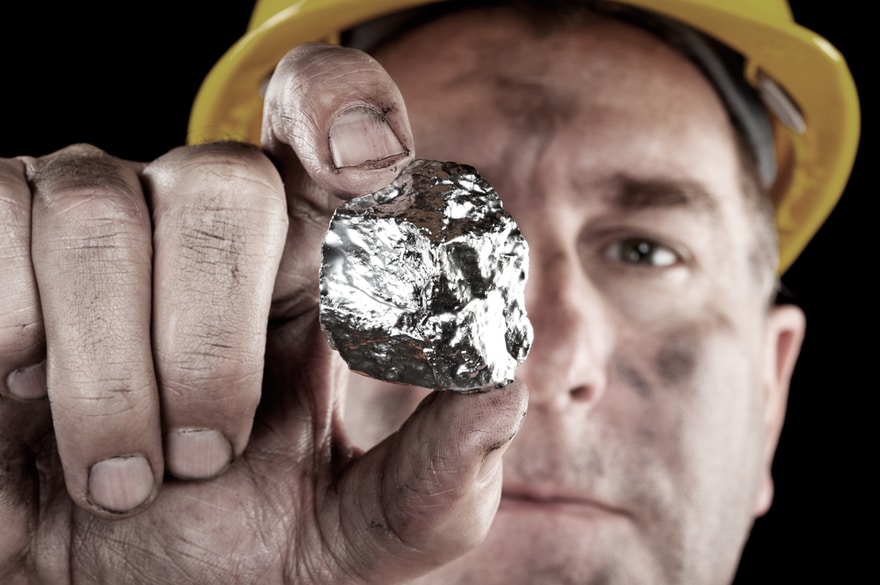
While gold has dominated the 2026 headlines with its march toward $5,300, a much more aggressive supply-and-demand battle is quietly unfolding in the silver market. As of March 2026, the "white metal" isn't just an investment asset—it has become one of the most critical industrial raw materials on the planet.
With silver currently trading near $88.50, a level many analysts thought impossible just two years ago, the primary driver isn't just inflation; it’s the massive, unyielding demand from the global solar energy sector.
Silver is the most electrically conductive metal on Earth, making it irreplaceable for high-efficiency solar panels. In 2026, the world is on track to install a record 650 Gigawatts of new solar capacity. According to the latest , the photovoltaic (PV) industry now accounts for nearly 25% of total global silver demand.
Unlike jewelry or silver coins, the silver used in solar panels is "consumed." While it can theoretically be recycled, the cost of doing so is currently higher than the price of the metal itself. This means millions of ounces are effectively being "buried" in solar farms every year, permanently removing them from the liquid supply.
The strain on physical supply is showing up in the major trading hubs. Inventories at the and London’s LBMA vaults have plummeted to levels not seen since the mid-2000s.
Investors often ask why mining companies don't just increase production. The reality of 2026 mining is complex. Approximately 70% of silver is produced as a byproduct of mining for other metals like copper, lead, and zinc.
Because silver is a secondary product, miners don't increase production just because silver prices are high; they only increase it if the demand for base metals justifies opening a new multi-billion dollar mine. This "inelastic supply" means that even if silver hits $150, the amount of new silver entering the market will remain largely unchanged for years.
For the retirement investor, silver offers a unique "double-play." It provides the same inflation protection as gold, but with a massive industrial "kicker." As the continues to push for faster decarbonization of the global grid, the demand for silver is essentially guaranteed by government policy.
If you are looking to diversify your Gold IRA, adding a physical silver component in 2026 is no longer a speculative move—it is a strategic play on the physical reality of the global energy transition.
Financial Specialist National Gold Reserve

Get personalized guidance from a trusted advisor. Just submit the form to get started.


