.png)
%201%201.svg)




In the world of economics, price is simply the intersection of supply and demand. In early 2026, that intersection has moved to a very high neighborhood. While much has been written about the "Demand Shock" caused by central banks and the return of Western ETF investors, the other side of the equation—Supply—is telling an even more dramatic story.
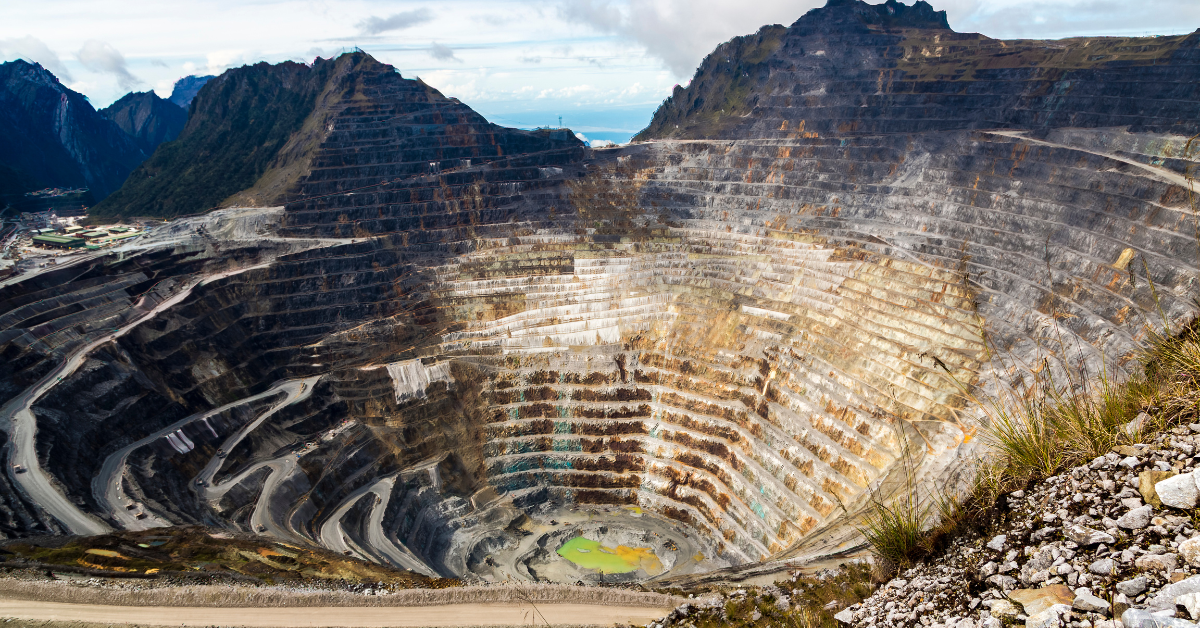
Despite gold prices holding firm above $5,200, the global mining industry is struggling to keep pace. We are witnessing what analysts call "inelastic supply," and it’s a primary reason why many experts believe the current bull run is only in its "mid-cycle" phase.
According to the latest 2025 year-end data from the World Gold Council, total annual gold supply grew by a mere 1%. To put that in perspective, while the price of gold has surged nearly 70% over the last year, the world’s miners only managed to "inch up" production to approximately 3,672 tonnes.
Why can’t miners just dig faster when prices are high?
The most sophisticated players in the market—central banks—are clearly aware of this supply bottleneck. In 2025, total gold demand exceeded 5,000 tonnes for the first time in history. When you subtract the 3,672 tonnes of mine production, you are left with a massive gap that must be filled by recycling.
However, even with gold at $5,200, recycling has only increased by 3%. People aren't selling their old jewelry; they are holding onto it, sensing that prices have further to climb. This lack of "secondary supply" is creating a vacuum that is sucking the available physical bullion out of the market.
In a market where supply is capped but demand is accelerating, the only variable that can move is price.
J.P. Morgan recently updated its 2026 outlook, suggesting that the structural trend of central bank buying is "unexhausted." They project that with mine supply remaining inelastic, gold prices could realistically target $6,300 by year-end.
For the individual investor, the message is clear: The scarcity of gold is not a "theory"—it is a mathematical reality reflected in the 2026 production reports. As the "float" of available physical gold continues to shrink, the cost to acquire an ounce of protection will likely continue its upward trajectory.
Senior Market Analyst National Gold Reserve

Get personalized guidance from a trusted advisor. Just submit the form to get started.


